
Efficient Farming with Sprinkler Irrigation Systems
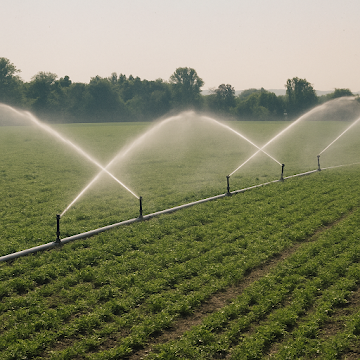
Benefits of Sprinkler Irrigation for Farmers
Sprinkler irrigation is transforming modern farming. It mimics natural rainfall, ensuring even water distribution across fields. This method is versatile, suitable for various crops and soil types. For large-scale setups, many farmers are turning to specialized irrigation equipment providers.
Farmers are increasingly adopting sprinkler irrigation systems. These systems can be automated, reducing labor costs and saving time. They also conserve water by minimizing runoff and evaporation. Effective agricultural water management is crucial for sustainable productivity.
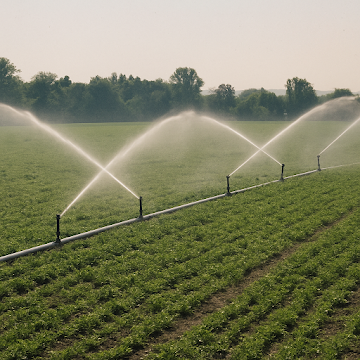
Sprinkler irrigation improves crop yield by maintaining consistent soil moisture. It allows for precise water delivery, tailored to specific crop needs. Fertilizers and pesticides can be applied through the system, enhancing plant health. Integrating this with crop protection services leads to better harvests.
This method is effective on uneven terrain, where traditional irrigation fails. It reduces soil erosion and nutrient leaching, promoting sustainable farming. Initial setup costs may be high, but long-term savings make it cost-effective. Many farming supply stores offer modern solutions for diverse terrains.
Sprinkler systems are flexible, available in portable or fixed options. They are ideal for areas with limited water resources, supporting sustainable water management. If you're looking for an irrigation system shop, choosing one with technical support is key.
What is Sprinkler Irrigation?
Sprinkler irrigation is a method of watering crops that mimics natural rainfall. It distributes water through a system of pipes and sprinklers, creating a uniform application over the field. It is a cornerstone of smart agricultural solutions.
This technique is versatile and adaptable. It works well for different terrains, soil types, and crop varieties. Farmers can tailor the system to meet their specific agricultural needs by consulting with irrigation specialists.
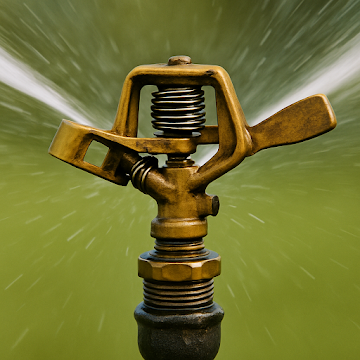
A typical sprinkler irrigation setup consists of:
- Mainline and lateral pipes: Deliver water throughout the field.
- Sprinkler heads: Disperse water in a controlled manner.
- Pumps and valves: Regulate water pressure and flow.
Sprinkler systems can be permanent or portable, providing flexibility. This enables farmers to easily adjust to changing conditions or crop rotations. Additionally, the adaptability of sprinkler irrigation makes it suitable for many farming scenarios. Check our irrigation product catalog for details.
Overall, sprinkler irrigation offers an efficient way to manage water resources. Its controlled application helps improve plant growth and conserves valuable water, making it a popular choice among farmers.
How Sprinkler Irrigation Systems Work
Sprinkler irrigation systems are engineered to distribute water effectively over an agricultural field. The system begins with a water source, which could be a well, river, or reservoir. Specialized water sourcing and pumping solutions are often required.
Water is pumped through a network of pipes and is released through sprinkler heads. This method ensures even water application across the field, which aids in maintaining consistent soil moisture levels.
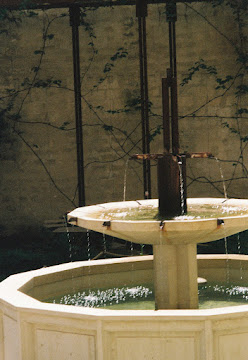
Key components of a typical system include:
- Pump unit: Drives water from the source into the pipes.
- Mainline pipes: Transport water to various field locations.
- Lateral pipes: Direct water to the sprinkler heads.
- Sprinkler heads: Spread water over the crops.
The system may include automated controls. These can help regulate the amount and timing of water based on crop requirements. This automation reduces labor and enhances efficiency. Learn more about automated irrigation control for your farm.
In areas with uneven terrain, sprinkler systems adapt well, providing sufficient water coverage. By mimicking rainfall, these systems create an optimal environment for crops, improving overall plant health and yields.
Types of Sprinkler Irrigation Systems
Sprinkler irrigation systems come in various designs to meet different farming needs. Farmers can choose from multiple options based on field size, crop type, and terrain. Selecting the right sprinkler type is essential for performance.
The portable systems offer flexibility. Farmers can move these lightweight systems easily to water different areas.
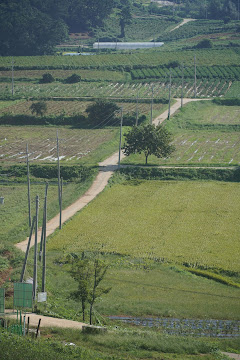
Permanent systems provide robust solutions for large farms. These systems stay fixed, offering consistent coverage to designated areas. Solid set systems feature a permanent setup, usually for larger operations. They're ideal for crops needing regular watering.
Center pivot systems rotate around a central point, covering circular fields efficiently. This type is excellent for large-scale farming. Farmers also have access to lateral move systems, which gradually move across fields, offering even water distribution. Explore our center pivot irrigation options.
In summary, the choice depends on specific needs. Portable systems suit smaller plots, while permanent setups benefit larger operations. Understanding each option helps farmers select the ideal system to enhance their irrigation strategy, maximizing both efficiency and productivity. For advice, request an on-site agricultural survey.
Key Benefits of Sprinkler Irrigation for Farmers
Sprinkler irrigation offers numerous advantages, making it a smart choice for modern agriculture. Farmers can gain various benefits by switching to this efficient system.
Firstly, water conservation is a major benefit. By mimicking natural rainfall, sprinkler systems distribute water evenly, minimizing wastage. This is a core part of sustainable agricultural practices.
Another advantage is labor savings. Automated systems reduce the time and effort spent on manual watering tasks.
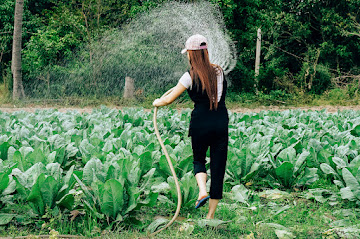
Crop yield improvement is significant with sprinklers. Consistent moisture levels support healthy plant growth and better harvests. Additionally, the ability to apply fertilizers and pesticides through the system increases plant health and saves time.
Sprinkler systems are also ideal for different terrains, as they can operate on uneven land where other systems might fail. Many irrigation system retailers provide terrain-specific hardware.
Key benefits include:
- Consistent water distribution
- Labor and time savings
- Integration with fertilizers and pesticides
Moreover, these systems are versatile and suitable for a variety of soil types and crops. Sprinklers also help in reducing soil erosion and preventing nutrient runoff, promoting healthier soil conditions. Adopting sprinkler irrigation can lead to improved farm productivity and sustainable water use.
Water Conservation and Efficiency
Sprinkler irrigation systems are well-known for their water-saving capabilities. These systems are designed to maximize water use efficiency. They deliver water directly to the soil surface, reducing evaporation losses significantly. This targeted approach ensures that most of the water reaches the plant roots. Check out our water-efficient irrigation heads.
Traditional irrigation methods often result in water runoff. In contrast, sprinkler systems apply water at a controlled rate, minimizing such wasteful runoff.
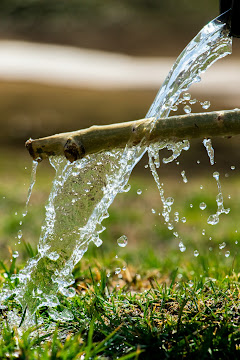
Another way they conserve water is by adjusting sprinkler nozzles. These nozzles can be tailored to deliver precise amounts of water based on crop needs. Effective water management is vital in agriculture. Sprinkler systems play a crucial role in managing limited water resources effectively.
Farmers using sprinkler systems can enjoy these features:
- Reduced evaporation losses
- Minimized water runoff
- Tailored watering based on crop demands
Efficient use of water not only benefits the environment but also results in cost savings. With water becoming a scarce resource, adopting such systems is essential. By embracing sprinkler irrigation, farmers contribute to sustainable water management practice.
Impact on Crop Yield and Quality
Sprinkler irrigation systems provide consistent moisture to crops. This uniform water distribution is pivotal for optimal plant growth and development. When plants receive the right amount of water, they thrive. Consistent hydration can lead to increased crop yields and higher quality produce.
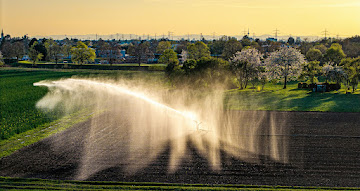
The ability to apply fertilizers and pesticides through irrigation enhances crop quality. This integration ensures that nutrients and protection reach plants uniformly. Farmers can adjust water delivery to meet the specific needs of various crops. This flexibility supports the growth of both common and high-value crops. For more information, see our crop enhancement services.
By maintaining an ideal moisture balance, sprinkler irrigation prevents drought stress. This ensures that crops remain resilient during dry spells. Key benefits impacting yield and quality include:
- Uniform water distribution
- Enhanced nutrient and pesticide application
- Flexible water delivery tailored to crops
With these benefits, farmers can expect improved crop performance. The impact on yield and quality underscores the importance of adopting sprinkler systems. As a result, farmers can achieve both productive and high-quality harvests.
Suitability for Different Crops, Soils, and Terrains
Sprinkler irrigation is versatile and adaptable for many environments. It's suitable for diverse crops, making it a popular choice among farmers. Different soil types, from sandy to clay, can benefit from sprinkler systems. The even distribution of water supports healthy root development across varying soil compositions.
Uneven terrains and slopes pose challenges for traditional irrigation. However, sprinkler systems excel in such conditions by delivering uniform coverage without the pitfalls of other methods. This is a major advantage for terrain-based agricultural planning.
Farmers growing a range of crops find sprinkler irrigation beneficial. From vegetables to grains, the system provides consistent moisture levels crucial for various plant types. In summary, sprinkler irrigation systems offer adaptability for multiple crop varieties, varied soil types, and challenging terrains. This adaptability ensures that no matter the planting scenario, farmers can maximize their irrigation efforts efficiently and effectively.
Economic Advantages and Cost Considerations
Sprinkler irrigation systems offer significant economic benefits for farmers despite initial investment costs. While setup can be costly, the long-term savings make it an attractive option. Reduced water usage and lowered labor costs contribute to these savings. Explore our cost-effective irrigation bundles.
The efficient water distribution minimizes waste, lowering utility bills over time. Additionally, automated systems decrease the need for manual labor, freeing up time for other farming tasks.

Sprinkler irrigation systems can lead to:
- Reduced water bills
- Lower labor costs
- Increased crop output
Government incentives and subsidies further alleviate the financial burden of installation. Many farmers find that these supports make the transition more feasible. Overall, when considering the reduced operational expenses and potential yield increase, sprinkler irrigation emerges as a cost-effective solution for modern farming practices.
Integration with Modern Agricultural Technology
Sprinkler irrigation systems seamlessly integrate with cutting-edge agricultural technology. This integration enhances water use efficiency and optimizes crop management. Advanced technologies like soil moisture sensors and weather data systems can be linked with sprinklers. Such integration allows precise control over watering schedules and volumes.
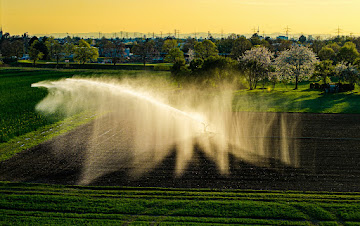
Some benefits of this technological integration include:
- Tailored irrigation schedules
- Reduced water waste
- Improved crop monitoring
Farmers leveraging these technologies often see increased productivity. The combination of smart irrigation and real-time data contributes to sustainable farming practices. This synergy between irrigation systems and modern tech positions farmers for success in today’s agricultural landscape.
Environmental and Sustainability Benefits
Sprinkler irrigation offers significant environmental perks. It supports sustainable farming by reducing water consumption and preserving resources. This system minimizes water runoff and evaporation loss. This efficiency aids in maintaining local water bodies. See our environmental safety services for more info.
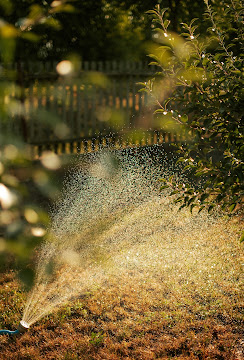
Key environmental benefits include decreased soil erosion, reduced nutrient leaching, and conservation of water resources. Sprinkler systems contribute to a healthier ecosystem. They create favorable conditions for maintaining agricultural biodiversity. Sustainable practices like these can help mitigate climate change impacts on agriculture.
By adopting sprinkler irrigation, farmers can effectively promote a greener future. This method aligns with global efforts to enhance sustainable agricultural production. Implementing such practices ensures long-term productivity while protecting the earth's precious resources.
Challenges and Limitations of Sprinkler Irrigation
While sprinkler irrigation offers numerous benefits, it also has challenges. Initial setup costs can be high, potentially deterring some farmers. Operation in windy conditions can lead to uneven water distribution, which can affect crop growth consistency. Consulting an agricultural engineer can help mitigate these issues.
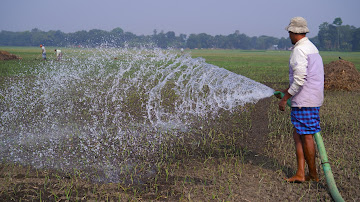
Other limitations include high maintenance requirements, potential for system clogging, and sensitivity to water pressure changes. To maximize efficiency, regular monitoring and maintenance are essential. Understanding these challenges helps farmers make informed decisions. Despite these hurdles, many still find the benefits of sprinkler systems outweigh the drawbacks. For maintenance support, see our irrigation maintenance packages.
Best Practices for Sprinkler Irrigation System Maintenance
Keeping your sprinkler irrigation system in top condition is essential. Regular maintenance ensures optimal performance and extends the system's lifespan. Routine checks help detect any issues early, preventing costly repairs and water wastage.
Key practices include:
- Checking and cleaning nozzles regularly
- Inspecting hoses for leaks
- Monitoring water pressure levels
- Servicing pumps and valves periodically
By following these steps, farmers can maintain efficient irrigation. This not only conserves water but also supports healthy crop growth. Consistent maintenance reduces downtime and improves reliability. For professional help, contact our service team.
Government Support and Incentives for Farmers
Governments worldwide recognize the importance of efficient water use in agriculture. To support sustainable practices, many offer incentives for adopting sprinkler irrigation systems. These incentives can significantly reduce the financial burden on farmers looking to upgrade their irrigation methods.
Farmers can benefit from subsidies for system installation, tax breaks on water conservation equipment, and grants for using sustainable practices. By taking advantage of these incentives, farmers contribute to water conservation efforts. This governmental support helps promote widespread adoption of advanced irrigation solutions.
Conclusion: Is Sprinkler Irrigation Right for Your Farm?
Sprinkler irrigation offers a blend of efficiency, versatility, and sustainability. This system suits various crops and terrains, making it an excellent option for many farmers. Consider your farm's specific needs and resources. Evaluate water availability, financial aspects, and long-term goals. Implementing a sprinkler irrigation system could lead to remarkable improvements in water use, crop yield, and farming efficiency.
Start Your Efficient Farming Journey
Ready to optimize your farm with a professional sprinkler irrigation system?