
Fire Cylinder Safety and Types Explained

Understanding Fire Cylinders: Safety and Usage
Fire safety is a critical aspect of protecting lives and property. A fire cylinder, commonly known as a fire extinguisher, plays a vital role in this.
These devices are designed to control or extinguish small fires before they escalate. Understanding their importance and proper usage is essential for everyone.
Fire cylinders come in various types, each suited for different fire classes. Knowing which type to use can make a significant difference in an emergency.
The price of fire extinguishers varies based on several factors, including type and size. It's important to consider these when purchasing.
In regions like Pakistan, specific pricing information is available, helping consumers make informed decisions. Regular maintenance and inspection of fire cylinders ensure they function correctly when needed.
Proper training on how to use a fire extinguisher can prevent small fires from becoming large disasters. The PASS technique is a standard method for effective use.
Fire safety regulations often require businesses to have a certain number of extinguishers on-site. This ensures readiness in case of a fire emergency.
By understanding fire cylinders, their types, and uses, individuals can enhance their safety and preparedness.
What is a Fire Cylinder? Definition and Importance
A fire cylinder, often called a fire extinguisher, is a vital safety device. It is designed to suppress or extinguish small fires, thus preventing property damage and saving lives. These devices are filled with various agents to target different types of fires. If you need a complete setup for homes, offices, or industrial sites, explore fire protection systems for professional coverage.
Fire cylinders are crucial because they offer immediate response to fire outbreaks. They can control flames quickly, stopping them from spreading. This is particularly important in residential, commercial, and industrial settings.
Understanding the components of a fire cylinder helps in its effective use. The main components include:
- Cylinder: The container holding the extinguishing agent.
- Hose: Directs the agent towards the fire.
- Handle and Trigger: Used to release the agent.
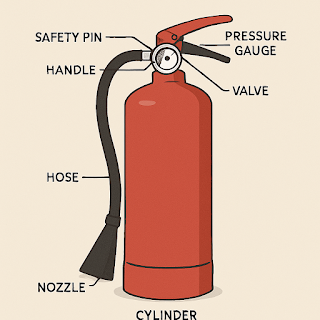
Using a fire cylinder can be the first line of defense against fire. It empowers individuals to manage fire threats before help arrives. However, it's crucial to know which type of fire cylinder to use for each fire class. An incorrect choice can escalate the problem. Fire safety training programs emphasize this knowledge, reducing panic and improving response times during fire emergencies.
Types of Fire Cylinders and Their Uses
Fire cylinders come in various fire extinguisher types, each suited for specific fire scenarios. Selecting the right type is crucial for effective fire management. Knowing the purpose of each helps in emergency decision-making.
The most common types of fire cylinders include water, foam, dry powder, CO2, and wet chemical. Each type employs a unique agent to combat specific fires. For instance, water extinguishers are typically used for Class A fires involving ordinary combustibles.
Dry powder extinguishers are versatile, fighting Class A, B, and C fires. CO2 extinguishers work best on electrical fires, leaving no residue and preventing damage to equipment. Foam extinguishers are ideal for liquid fires, forming a barrier that suppresses the flames.
Choosing the correct fire extinguisher is not merely about the fire type. It also considers potential hazards in the environment. For instance, in kitchens, where oil fires are common, wet chemical extinguishers are recommended.
Here's a quick list of common fire extinguisher types:
- Water Extinguishers: For Class A fires (wood, paper).
- Foam Extinguishers: For liquid fires (fuel, paint).
- Dry Powder Extinguishers: Suitable for A, B, C class fires.
- CO2 Extinguishers: Ideal for electrical fires.
- Wet Chemical Extinguishers: Best for Class K (kitchen oil fires).
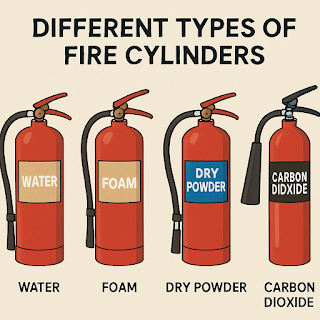
Understanding each type's uses ensures safety and effectiveness during emergencies. This knowledge is vital for both residential and commercial settings, where quick response can prevent disaster.
Fire Extinguisher Classes: A, B, C, D, K
Fire extinguishers are categorized by classes, indicating their use on different fire types. This classification helps users make informed choices. Knowing these classes is crucial for effective fire suppression.
- Class A: Involves ordinary combustibles like wood, cloth, or paper.
- Class B: Targets flammable liquids such as oil, paint, and petrol.
- Class C: Suitable for fires involving gases.
- Class D: Used on metal fires, which are tricky to extinguish.
- Class K: Specially for cooking oils and fats, common in kitchen fires.
Each class represents specific challenges and requires tailored extinguishing methods. For example, using water on an oil fire can worsen the situation. Thus, understanding these classifications prevents errors during an emergency.
Different classes need matching extinguishing agents. This knowledge can stop a small fire from becoming catastrophic. Regular fire safety training incorporating these classes can significantly improve preparedness. Awareness of these classes is a key component of fire safety strategy.
Fire Extinguisher Gases and Agents Explained
Fire extinguishers use different gases and agents, each selected for specific fire types. This diversity ensures comprehensive fire coverage. It's essential to know these agents to use them effectively.
Common extinguishing agents include:
- Water: Cools and smothers Class A fires.
- Foam: Blocks oxygen, extinguishing liquid fires.
- Dry Chemical: Breaks the chemical reaction in fires.
- CO2: Removes oxygen, suitable for electrical fires.
- Wet Chemicals: Form a blanket on oil fires, cooling and smothering.
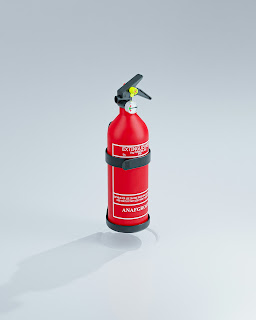
Each agent has unique properties and applications. For example, CO2 extinguishers are preferred for electrical fires due to their non-conductive nature. Understanding these agents enhances safety and ensures correct usage.
Selecting the right extinguisher depends on the fire type and its environment. Appropriate choice and application prevent escalating the fire. This knowledge is a crucial part of any fire safety program. By knowing these agents, individuals can handle fire emergencies confidently and effectively.
How to Choose the Right Fire Cylinder
Selecting the right fire cylinder is crucial for effective fire safety. Several factors determine the appropriate choice, including the environment and potential fire hazards present. This decision can greatly impact the ability to manage a fire swiftly and safely.
Evaluate the types of materials common in your setting. This will guide the choice of fire cylinder. Different environments, such as commercial kitchens or warehouses, may require specific types like wet chemical or dry powder extinguishers respectively.
Consider the physical size of the area. Larger spaces may need bigger cylinders or multiple units to ensure coverage. Accessibility should also be assessed, as cylinders should be easy to reach during an emergency.
Ease of use and maintenance are vital considerations. Opt for cylinders that are easy to operate, especially if used by individuals without extensive training. Maintenance requirements should align with the resources available for regular inspection and refilling.
Here's a quick checklist for choosing a fire cylinder:
- Identify the fire hazards: Different areas have unique risks.
- Assess the space size: Larger spaces might require more coverage.
- Check for ease of use: Especially important for untrained users.
- Consider maintenance needs: Regular upkeep is essential.
By taking these factors into account, individuals can ensure they choose a fire cylinder that meets their specific needs and provides the required safety level. Proper selection aids in mitigating fire risks effectively.
Fire Cylinder Prices: What to Expect
The cost of a fire cylinder varies based on several factors. These include type, size, and the brand of the extinguisher. Understanding these variables can help in making a cost-effective purchase decision.
Certain fire extinguishers, like CO2 models, are typically more expensive due to their suitability for electrical fires. Conversely, water extinguishers may be cheaper but are limited in their applications. Pricing often reflects the complexity and effectiveness of the extinguisher type.
Size also plays a significant role in determining cost. A larger fire cylinder will generally be priced higher. This increase in price usually corresponds to its capacity to cover larger areas or more significant fire risks.
Brands can affect pricing as well. Established brands may charge a premium, while less-known brands might offer lower prices. It's essential to consider quality and reliability along with cost.
To summarize, consider the following when evaluating fire cylinder prices:
- Type: CO2 versus water or dry powder.
- Size: Larger capacity often means higher prices.
- Brand reputation: Premium brands may offer better reliability.
Choosing a fire cylinder requires balancing cost with needs and potential risks. A well-priced cylinder that meets your specific requirements is a worthy investment for safety.
Fire Extinguisher Price in Pakistan and Karachi
In Pakistan, fire extinguisher price in pakistan can vary widely. These variations depend on the types and specifications of the extinguishers offered. Karachi, a major city, typically offers a range of options due to its extensive market.
Consumers can find reasonably priced extinguishers suitable for different purposes. Dry powder models are often affordable, while CO2 types might cost more. Comparing prices across vendors is advisable to ensure good value.
When shopping for extinguishers in Karachi, consider local suppliers and online retailers. Prices might vary slightly from place to place, providing opportunities to find a good deal.
Here are quick tips for buying in Pakistan:
- Explore local markets: Often diverse in options.
- Consider online deals: They may offer competitive pricing.
- Check for certifications: Ensure quality and compliance.
It's important for consumers to research and compare prices to make informed decisions. The right purchase can balance quality with affordability.
Where to Buy Fire Cylinders: Finding the Best Options Near You
Finding a reliable vendor for fire cylinders is crucial. Look for suppliers with a solid reputation and proven track record. This can ensure you receive quality products that meet safety standards.
Local safety equipment stores and online platforms are convenient starting points—especially if you’re searching for a fire extinguisher near me. Check for suppliers offering a range of extinguisher types and sizes. This variety allows you to select the best-suited cylinder for your specific needs.
Many vendors offer delivery services, making it easier to purchase from the comfort of your home. Always verify customer reviews and product certifications before buying.
Here's a quick list of options to consider:
- Local safety equipment shops
- Online marketplaces
- Authorized brand dealers
Choosing the right vendor not only provides peace of mind but also ensures you are prepared for emergencies. Remember to check for warranties and after-sales support as part of your purchase decision.
How to Use a Fire Cylinder: The PASS Technique
Using a fire cylinder correctly is vital for putting out fires effectively. The widely recommended method is the PASS technique. This simple acronym helps users remember the steps required to operate a fire extinguisher.
First, you must Pull the pin. This step releases the lock, allowing the extinguisher to discharge. If the pin isn't removed, the extinguisher will remain inactive.
Next, Aim the nozzle or hose at the base of the fire. Focusing on the base helps to eliminate the fuel source. This is more effective than aiming at flames.
Then, Squeeze the handle. This action releases the extinguishing agent. Ensure to maintain firm, even pressure while squeezing the handle to control the discharge.
Finally, Sweep the nozzle from side to side. Cover the entire area of the fire's base. Continue this sweeping motion until the fire is completely extinguished.
Maintenance, Refilling, and Safety Checks
Maintaining fire cylinders is essential for ensuring their reliability. Regular inspections can prevent malfunctions in emergencies. Always adhere to the manufacturer's guidelines for maintenance schedules.
Refilling the extinguisher cylinder is necessary after each use. Even if not fully discharged, it must be refilled. This ensures that it has the full amount of extinguishing agent available when needed.
Routine safety checks should include examining the extinguisher for physical damage or corrosion. Check the pressure gauge to ensure it's in the operable range. An extinguisher with a broken seal or low pressure must be serviced immediately.
Annual professional inspections are recommended. Qualified technicians can identify issues that might not be visible. This ensures the device remains in optimal working condition.
Fire Cylinder Safety Tips for Homes and Businesses
Fire safety should always be a top priority. Ensuring fire cylinders are accessible is crucial. Keep them in visible, unobstructed locations for quick access.
Educate all building occupants about fire extinguisher types and uses. Training helps everyone respond effectively during an emergency. Regular fire drills can reinforce this knowledge.
Check all fire extinguisher cylinders for proper labeling. This helps in selecting the correct extinguisher during a fire. Misusing the wrong type can escalate the situation.
Businesses should comply with local fire safety regulations. This includes having a sufficient number of well-maintained fire extinguishers. Compliance not only ensures safety but also avoids legal penalties.
Frequently Asked Questions About Fire Cylinders
Many people wonder how often they should check fire extinguishers. Regularly inspect them every month for visible damages or pressure changes.
Some ask about the longevity of fire cylinders. They generally last 5 to 15 years, but regular maintenance is key.
Others are unsure of how to refill an extinguisher cylinder. It is best done by professionals to ensure safety and reliability.
Conclusion: The Role of Fire Cylinders in Fire Safety
Fire cylinders play a crucial role in maintaining safety in both homes and businesses. They are often the first line of defense during a fire emergency.
Selecting the right type and regularly maintaining them ensures they function well when needed. Proper usage, aided by techniques like PASS, can make a big difference.
Ultimately, understanding and investing in fire cylinders can prevent minor incidents from becoming major disasters. Their presence and readiness are vital components of any fire safety plan.